Throughout the teenage years the body enters puberty which can cause drastic changes to your vision. The importance of your eye health can often be overlooked as homework and school activities become a priority. However, understanding why you should prioritize your vision care is essential to either maintain healthy vision or treat prolonging eye diseases. 


Typical eye conditions found in teens

Three eye conditions that are normally discovered in teens include myopia, hyperopia, and astigmatism.


  • Myopia refers to nearsightedness and leads to struggles seeing from far away.
  • Hyperopia refers to farsightedness and leads to struggles seeing at close distances.
  • Astigmatism refers to the cornea forming an abnormal shape. It is hereditary and can be passed on by a family member. You are unable to see clearly at long and short distances.


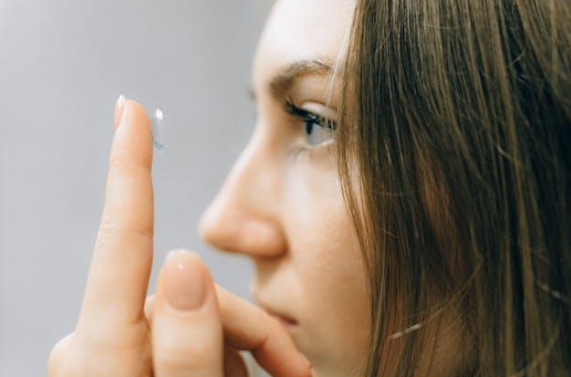
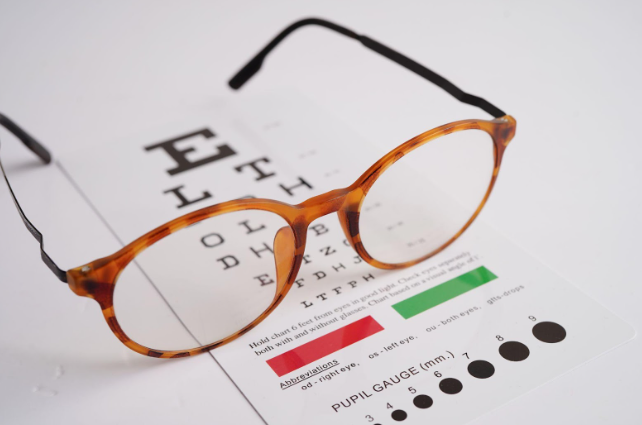
If you are looking to correct these vision impairments, then opting for glasses or contacts may be your best options. Your doctor will disclose what option is best suited for your prescription and eye shape. 


At this stage of adolescence, teens are in sports activities that may require them to be outside for extended periods of time.


This raises concern as they become exposed to other dangerous eye health complications including:


  • UV light damage– If you are out in the sun UV light can lead to corneal damage, cataracts, and macular degeneration. Make sure to wear SPF, protective eye wear, and a good moisturizer.
  • Dry eye syndrome– This refers to your eyes not producing enough tears. It can cause inflammation and blurry vision.
  • Digital eye strain– This refers to vision problems from prolonged usage of technological devices such as your laptop or iPhone.
  • Scratched cornea– This occurs due to a sports related injury.


Families and teens should be privy to the conditions that can be detrimental to eye health. 


Tips to maintain healthy vision

To enact healthy eye habits here are few tips you should follow:


  1. Stay away from junk food. Maintaining an unhealthy diet that consists of junk food can lead to constricted blood flow in the arteries. Your vision can become severely affected as the blood vessels that are connected to the eyes begin to have constrictions. 
  2. Be careful in makeup application and your hair care routine. When doing your makeup, it is important to wash your face and have a good moisturizer. All lotions should be applied away from the eye area. Wash your makeup brushes, and beauty blenders at least once a week. Only put your contacts on before starting your makeup to avoid contamination. If applying hair spray and other hair products apply your contacts after the process is completed.
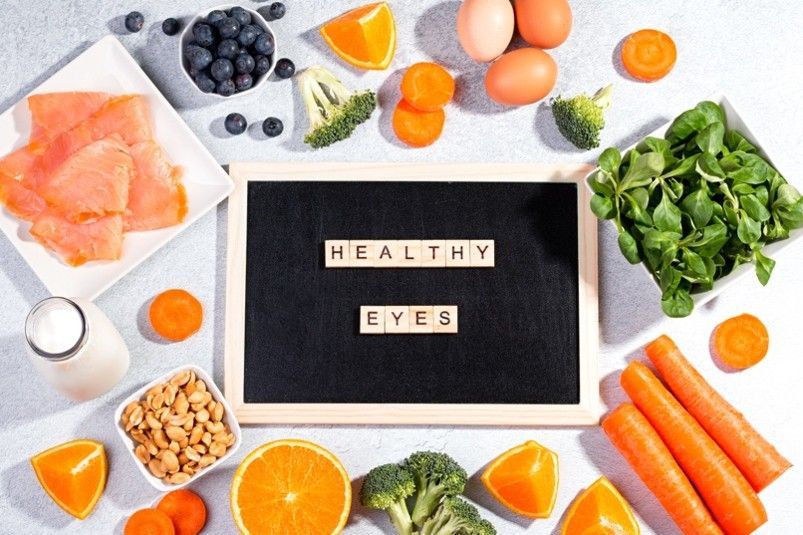
  3. Eat foods that are rich in nutrients. To maintain healthy vision a few foods you should incorporate in your diet include carrots, kale, red bell peppers, salmon, and oysters.


If you have experienced the following eye conditions, 
Contact our office and request an appointment at one of our locations. Call 516-785-3900 (Wantagh office) or 516-541-4141 (Massapequa office) to schedule an appointment. Our ophthalmologists will talk with you about your vision discrepancies and the best options for you.

July 31, 2026
When most people think about protecting their vision, they focus on regular eye exams, screen time limits, or choosing the right glasses. However, one often overlooked factor is posture. How you sit, stand, and position your body throughout the day can surprisingly impact your comfort, eye strain, and overall visual experience. At your eye care provider, we understand that healthy vision entails more than just your eyes. Your posture, work environment, and daily habits all play a part in reducing discomfort and promoting long-term eye health. How Posture Impacts Eye Strain Your eyes work closely with your neck, shoulders, and head position to keep clear and comfortable vision. Poor posture, such as leaning forward toward a computer screen or looking downward at a phone for long periods, can create extra stress throughout your visual system. Slouching or hunching may cause your head to move closer to screens, forcing your eyes to work harder to keep focus. This contributes to symptoms notably associated with digital eye strain, including: • Blurry or fluctuating vision • Tired, heavy-feeling eyes • Headaches • Dry or irritated eyes • Difficulty refocusing after screen use • Neck and shoulder discomfort Maintaining proper alignment helps reduce unnecessary strain and allows your eyes to function more comfortably. The Connection Between Screen Use and Posture Modern lifestyles require hours of screen time for work, school, or entertainment. Unfortunately, many people develop habits that place extra pressure on their eyes and body. A common example is “forward head posture,” where the head extends forward while looking at a computer or mobile device. This position increases tension in the neck and shoulders and affects how comfortably your eyes focus. To reduce visual fatigue during screen use, consider these helpful habits: • Keep screens at eye level to avoid looking downward for extended periods • Sit with your back upright and shoulders relaxed • Position your monitor about an arm’s length away • Avoid leaning too close to digital devices • Take regular breaks to relax your eyes Small adjustments can make a huge impact in your daily comfort. The Importance of the 20-20-20 Rule One of the easiest ways to protect your eyes during long screen use is to follow the 20-20-20 rule. Take a 20-second break every 20 minutes from what you are doing, and look at something about 20 feet away. This practice gives your eye muscles a chance to relax and reduces the constant focusing demand from close-up activities. Pairing the 20-20-20 rule with good posture can help minimize digital eye strain and keep your eyes feeling refreshed throughout the day. Proper Posture for Comfortable Vision Creating an eye-friendly environment starts with how you position your body. Whether you are working at a desk, reading a book, or using a tablet, your setup should encourage a neutral posture. Helpful positioning tips include: • Keep your head balanced over your shoulders • Maintain a relaxed neck and upper body • Adjust lighting to prevent glare and squinting • Place reading materials at a comfortable distance • Blink regularly to prevent dry eyes These habits can help your eyes avoid unnecessary stress while aiding overall comfort. When Eye Strain May Require an Eye Exam While posture adjustments can help reduce discomfort, ongoing eye strain may sometimes signal an underlying vision issue. If you experience frequent headaches, persistent blurry vision, worsening dryness, or difficulty focusing, it may be time for a comprehensive eye exam. An eye care professional can study your sight, examine for changes in your eye health, and recommend solutions to improve your comfort. Supporting Healthy Vision Every Day Your eyes are affected by more than what you see—they are influenced by how you interact with your environment. Keeping good posture, taking screen breaks, and scheduling periodic eye exams are important steps in protecting your vision. By differentiating your daily habits, you can alleviate eye strain and support clearer, more comfortable vision for years to come. If you have concerns about eye fatigue or want customized advice for your eye health, schedule a visit with your ophthalmologist today.
By Bob Berendsen July 1, 2026
What you eat doesn’t just affect your energy or heart health. It also plays a major role in how well your eyes function over time. While periodic eye exams are important for protecting your vision, a healthy diet can support long-term eye health and may minimize the chances of certain vision problems as you age. At your eye care provider, we often remind patients that healthy vision starts from the inside out. How Nutrition Impacts Eye Health Your vision depends on a steady supply of vitamins, minerals, and antioxidants to stay healthy. Poor nutrition can contribute to issues such as dry eyes, night vision difficulties, and a higher risk of conditions such as cataracts or age-related macular degeneration (AMD). A balanced diet may help protect delicate eye tissues from oxidative stress- and inflammation-induced damage. Key nutrients like vitamins A, C, and E, along with omega-3 fatty acids and zinc, all play important roles in preserving clear, comfortable vision. Best Foods for Healthy Vision Leafy Green Vegetables Spinach, kale, and collard greens are loaded with lutein and zeaxanthin—two powerful antioxidants that help filter harmful blue light and protect the retina. Benefits include: Reduced risk of macular degeneration Better protection against light damage Long-term retinal health support Carrots and Orange Vegetables Carrots, sweet potatoes, and pumpkins contain high amounts of beta-carotene, which the body converts into vitamin A. This nutrient is essential for good night vision and comprehensive eye function. They help support: Clear low-light vision Healthy corneas Reduced risk of dry eyes Fatty Fish Salmon, tuna, mackerel, and sardines are fantastic sources of omega-3 fatty acids. These healthy fats support the oil layer of your tears and help prevent dry eye symptoms. They may help with: Eye moisture and comfort Reduced inflammation Retinal health support Citrus Fruits and Berries Oranges, grapefruits, strawberries, and blueberries have high counts of vitamin C and antioxidants. These nutrients shield the eyes from oxidative stress and may slow age-related damage. Benefits include: Stronger blood vessels in the eyes Lower risk of cataracts Overall antioxidant protection Nuts and Seeds Almonds, walnuts, flaxseeds, and chia seeds provide vitamin E and omega-3 fatty acids that help protect eye cells from damage. They support: Long-term eye cell health Reduced inflammation Protection from age-related vision changes Foods That Promote Long-Term Vision Care No single food can guarantee perfect vision, but a consistent, well-rounded diet rich in eye-friendly nutrients can create a meaningful difference. Combining healthy eating with protective measures like UV-blocking sunglasses and regular eye exams provides the best defense for your vision. When Diet Isn’t Enough Even with a healthy diet, vision changes can still occur due to age, genetics, or underlying eye conditions. If you notice blurry vision, increased dryness, difficulty seeing at night, or changes in how you see colors and light, it’s important to schedule a comprehensive eye exam. Early detection is key in handling conditions like cataracts, glaucoma, and macular degeneration before they significantly affect your vision. Supporting Your Vision From the Inside Out Nutrition is a powerful way to maintain healthy eyes, but it works best as part of a complete eye care routine. Eating a variety of colorful, nutrient-rich foods can help keep your eyes functioning at their best for years to come. If you’re concerned about your vision or want to learn more about preserving your eye health, plan a visit with your eye care provider today.
Why Some People See Halos Around Lights (and When It’s Serious)
May 31, 2026
Noticing glowing rings or “halos” around lights can feel unsettling, especially when you are driving at night or looking at bright screens. Sometimes....
Allergic Conjunctivitis vs. Viral/Bacterial Pink Eye: How to Tell the Difference
May 1, 2026
Red, irritated eyes are frequently seen, but not all cases of “pink eye” are the same. Allergic, viral, and bacterial conjunctivitides share...
Discover Lasting Relief for Dry Eye with Tixel Vision
By Bob Berendsen March 19, 2026
Dry eye can be a minor annoyance or a daily struggle, leaving eyes dry, irritated, and uncomfortable. For those with chronic dry eye or...
Botox and Juvaderm, and LASIK or PRK | South Shore
By Bob Berendsen December 12, 2025
Let’s take a closer look at what these treatments are, how they work, and what makes them so popular among patients looking for noticeable, lasting results.
The Future of Clear Vision | South Shore
By Bob Berendsen November 17, 2025
At South Shore Eye Care, we’re proud to offer laser-assisted cataract surgery and the latest premium lens implants.
Smoking Can Put Your Eye Health at Risk | South Shore Eye Care, LLP
By Bob Berendsen October 10, 2025
When people think about the dangers of smoking, many fail to realize the effect of smoking on their eyesight.
Guide to Contact Lenses | South Shore Eye Care
By Bob Berendsen September 1, 2025
Millions of people choose contacts for a variety of reasons, whether it’s for convenience, lifestyle, sports, or just personal preference.
Summer Vision Checklist Should Start With a Free LVC Consultation | South Shore Eye Care
By Bob Berendsen August 8, 2025
Sunlight, reflective surfaces, and prolonged exposure to UV radiation can gradually damage your eyes without noticeable symptoms at first.
More Posts